What to Know Before Traveling to Korea
Planning your first trip to Korea can feel a little overwhelming. You may be wondering what to pack, how to get around, whether you need a visa, which apps to download, and how much cash you should bring. The good news is that Korea is relatively easy to travel around once you know a few basics before you arrive.
This Korea travel preparation guide covers the essentials you should know before your trip, from travel documents and money to transportation, internet access, weather, and useful apps. Whether you are visiting Seoul, Busan, Jeju, or several cities, a little preparation can make your trip much smoother.
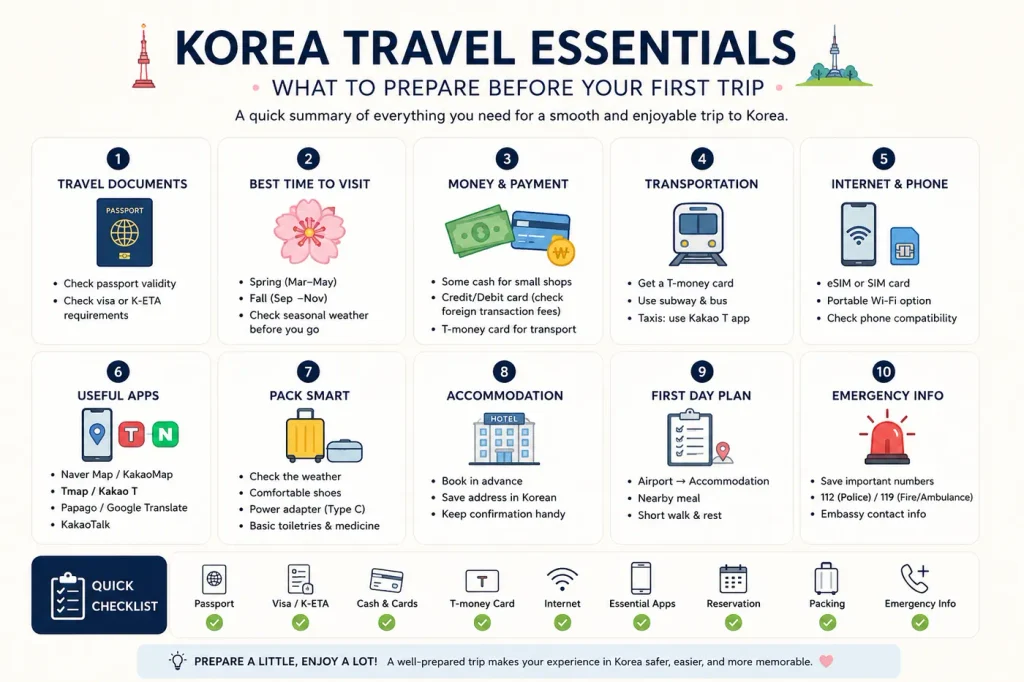
1. Check Your Passport and Entry Requirements
Before booking everything else, check the entry requirements that apply to your nationality. Visa and entry rules can differ depending on your passport, so do not assume that the requirements are the same for every traveler.
Check Your Passport Expiration Date
Make sure your passport is valid for your planned trip and check the entry requirements for your nationality well before departure.
It is also a good idea to keep a digital copy of your passport and important travel documents. Store the copies somewhere you can access them even if you lose your physical documents.
Do You Need a Visa or K-ETA?
Whether you need a visa or K-ETA depends on your nationality and the purpose and length of your stay.
Some travelers who can enter Korea without a visa may be subject to K-ETA requirements, while certain nationalities are currently temporarily exempt. The temporary K-ETA exemption for designated countries and regions has been extended through December 31, 2026. Because these rules can change, always check the official K-ETA website or Korean immigration information before your trip.
Do not rely on an old travel blog or a social media post for entry requirements. Your passport and travel dates can affect what applies to you.
Some travelers who can enter Korea without a visa may be subject to K-ETA requirements, while certain nationalities are currently temporarily exempt. Always check the official K-ETA website for the latest requirements before your trip.
2. Decide When to Visit Korea
Korea has four distinct seasons, and the best time to visit depends on what you want to experience.
Spring in Korea
Spring is popular for its mild temperatures and cherry blossoms. March through May can be a comfortable time for sightseeing, although temperatures can vary considerably between early spring and late spring.
If seeing cherry blossoms is one of your main reasons for visiting Korea, check the expected bloom period before booking your trip because the timing changes each year.
Summer in Korea
Summer can be hot, humid, and rainy. June through August is generally warmer than the other seasons, and July and August can feel particularly humid.
If you visit during summer, lightweight clothing, sunscreen, and a compact umbrella can be useful.
Autumn in Korea
September through November is often a comfortable season for exploring cities and outdoor attractions. Temperatures gradually become cooler, and autumn foliage can make parks and mountain areas especially attractive.
Winter in Korea
Winter can be very cold, particularly in December, January, and February. If you are not accustomed to cold weather, pack thermal layers, a warm coat, gloves, and comfortable shoes.
3. Prepare Your Money and Payment Methods
You do not necessarily need to carry a large amount of Korean cash throughout your trip. However, having some Korean won available is still useful.
Bring a Small Amount of Korean Won
Keep some cash for situations where cash may be more convenient, such as certain small businesses, transportation card top-ups, traditional markets, or places that do not accept your preferred payment method.
You can exchange money before your trip or after arriving in Korea. Compare exchange rates and fees rather than exchanging all your money at the first counter you see.
Bring a Backup Payment Method
A practical approach is to travel with:
- Your main credit or debit card
- A backup card
- A small amount of Korean won
- Your bank’s emergency contact information
It is also worth notifying your bank that you are traveling internationally if your bank recommends doing so.
4. Get a Korean Transportation Card
Public transportation is one of the easiest ways to travel around major Korean cities.
T-money and Other Transportation Cards
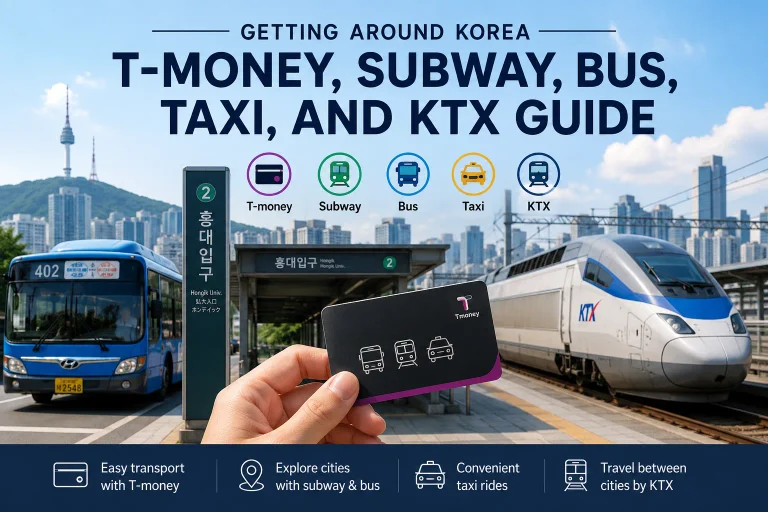
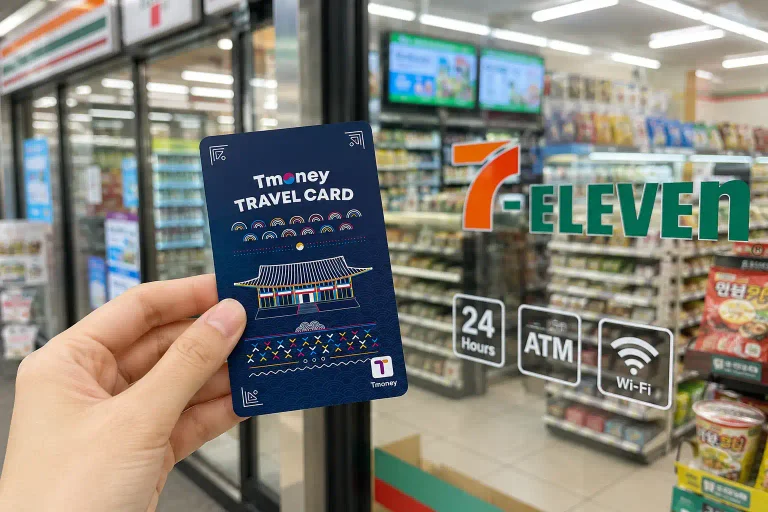
Travelers can use transportation cards such as T-money, EZL, WOWPASS, and Climate Card, depending on their destination and travel plans. T-money and EZL cards can be purchased and reloaded at convenience stores, and they can be used on public transportation and at participating stores.
For a first-time visitor, having a transportation card can make taking buses and subways much easier than paying for every ride separately.
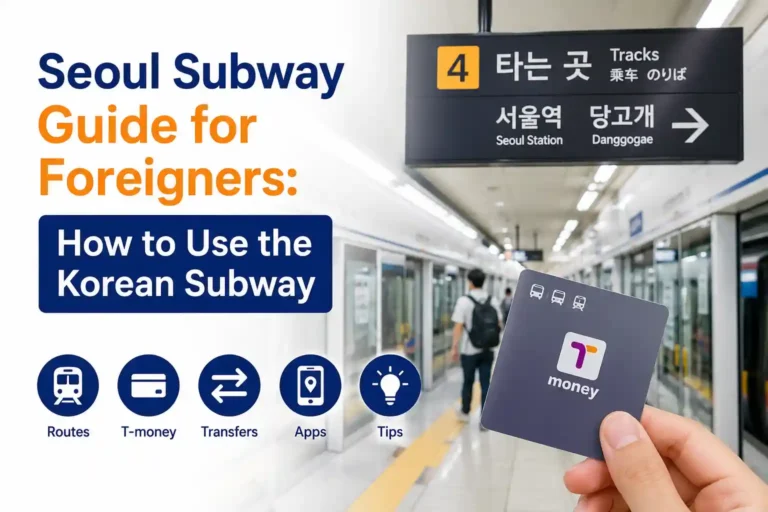
Learn How Korean Public Transportation Works
Seoul and other major Korean cities have extensive subway and bus networks. Seoul’s subway system also connects with surrounding areas, making it useful for day trips outside central Seoul.
Before your trip, learn how to:
- Tap your transportation card when entering
- Tap again when required when leaving
- Transfer between buses and subways
- Check the direction of your subway line
- Find the correct station exit
You do not need to memorize the entire subway system. Learning how to read station names and use a navigation app is usually enough.
5. Prepare Your Phone and Internet Access
Having reliable internet access can make your first trip to Korea much easier.
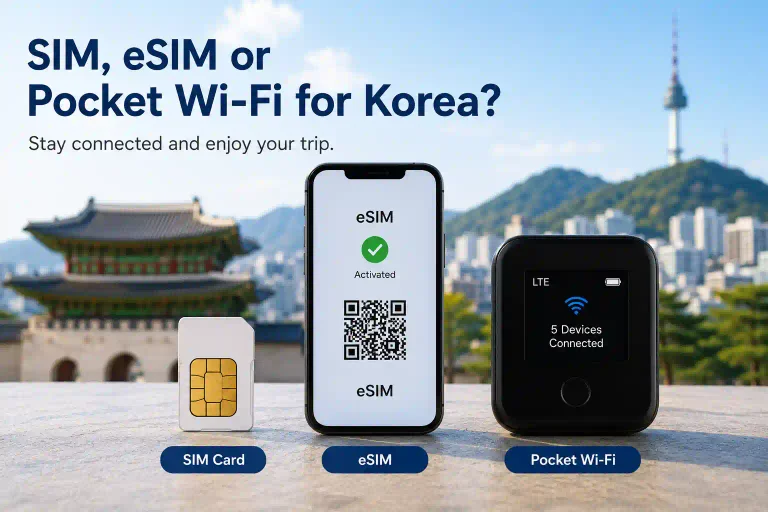
Choose an eSIM, SIM Card, or Wi-Fi Device
Before leaving home, decide how you will connect to the internet.
Common options include:
- eSIM
- Physical SIM card
- Portable Wi-Fi
- International roaming
For travelers with a compatible phone, an eSIM can be convenient because you can arrange it before departure without changing your physical SIM card.
Check that your phone is unlocked and compatible with the service you choose.
Naver Map — General navigation & places
KakaoMap — Local places, restaurants & public transportation
Tmap — Driving & car navigation
Download Important Apps Before You Leave
Do not wait until you arrive at the airport to download everything.
Useful categories of apps include:
- Maps and navigation
- Translation
- Public transportation
- Currency conversion
- Weather
- Flight information
Korea Tourism Organization also provides official travel resources, maps, and transportation information for international visitors.
6. Learn a Few Useful Korean Expressions
You do not need to speak Korean to travel around Korea, especially in major tourist areas. However, knowing a few basic expressions can make everyday interactions easier.
Useful Korean Words for Travelers
Hello — 안녕하세요 (Annyeonghaseyo)
Thank you — 감사합니다 (Gamsahamnida)
Excuse me — 실례합니다 (Sillyehamnida)
Please give me this — 이거 주세요 (Igeo juseyo)
How much is it? — 얼마예요? (Eolmayeyo?)
Where is the bathroom? — 화장실 어디예요? (Hwajangsil eodiyeyo?)
You can save these phrases on your phone so you can quickly show or read them when needed.
7. Pack for Your Actual Itinerary
You do not need to pack everything you might possibly need. Instead, think about what you will actually do in Korea.
Korea Travel Packing Checklist
Consider bringing:
- Passport
- Credit or debit cards
- Some Korean won
- Phone and charger
- Power bank
- Travel adapter
- Comfortable walking shoes
- Weather-appropriate clothing
- Basic toiletries
- Prescription medication, if needed
- Small umbrella
- Reusable shopping bag
Comfortable shoes are particularly important if you plan to explore Seoul on foot. It is common to combine walking, subway rides, and short bus trips throughout the day.
8. Save Your Accommodation Information
Keep your hotel or accommodation information somewhere easy to access.
- Hotel name in English
- Hotel name in Korean
- Full address
- Phone number
- Check-in and check-out times
- Reservation number
Having the Korean name and address can be especially useful when using taxis or asking for directions.
A screenshot can also be helpful if you temporarily lose internet access.
9. Plan Your First Day in Korea Carefully
Your first day does not need to be packed with activities.
After a long international flight, you may be tired and unfamiliar with the city. Give yourself enough time to arrive at your accommodation, check in, eat something, and get comfortable.
Keep Your First Day Simple
A relaxed first day could look like:
Airport → Accommodation → Nearby meal → Short walk → Rest
Once you understand your neighborhood and transportation system, you can start exploring farther away.
This is often better than trying to visit five different attractions immediately after arriving.
10. Save Important Emergency Information
Before your trip, save important phone numbers and travel assistance information.
The 1330 Korea Travel Helpline, operated by the Korea Tourism Organization, provides travel information and interpretation support for visitors and also offers online chat services.
You should also keep your accommodation information and travel insurance details somewhere accessible.
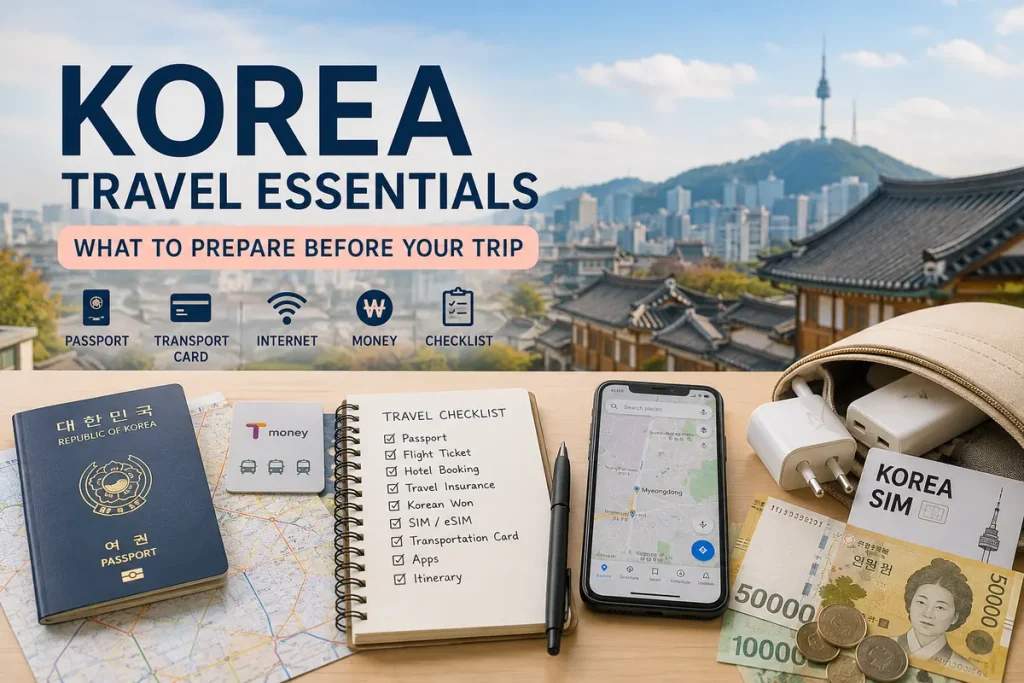
Final Korea Travel Preparation Checklist
Before leaving for Korea, make sure you have checked the following:
- Passport and entry requirements
- Visa or K-ETA requirements, if applicable
- Flights and accommodation
- Travel insurance
- Korean won and payment cards
- Transportation card plan
- eSIM, SIM, or roaming
- Navigation and translation apps
- Weather forecast
- Comfortable shoes
- Accommodation address
- Important travel documents
- Emergency contact information
Final Thoughts
Preparing for a trip to Korea does not have to be complicated. The most important things are to check your entry requirements, prepare your phone and payment methods, understand the basics of public transportation, and pack according to the season and your itinerary.
Once those basics are taken care of, you can spend less time worrying about logistics and more time enjoying Korea. From busy Seoul streets and traditional markets to cafés, local restaurants, beaches, and quieter neighborhoods, there is much more to discover beyond the typical tourist attractions.
Dintori Tip: Save this guide before your trip and use it as a checklist while preparing for Korea.